
Introduction to the Learning Power Approach
Build a classroom culture that fosters independent, self-aware learners.
Redesigning what learning really means
The Learning Power Approach (LPA) invites us to move beyond performance and outcomes — and to also focus on building young people’s capacity to learn. This course offers a practical, research-informed introduction to LPA that you can begin using right away in your own setting.
It’s for educators who want more than a strategy. It’s for those who are ready to question, reflect and reimagine what kind of learners they’re shaping — and what kind of learning environment makes that possible.
Why this course matters
This is more than a professional development resource. It’s an opportunity to reconnect with the core purpose of your practice: nurturing learners who are confident, curious, and resilient in the face of challenge.
Throughout this course, you’ll explore how to design a classroom culture that fosters autonomy, deep thinking, and emotional awareness. You’ll be supported to reflect on your own role as a learning partner — someone who builds learning with children, not just for them.
Whether you’re an individual teacher or part of a team, this course supports deep pedagogical growth.

Who this course is for
This course is ideal if you are:
- A classroom teacher seeking ways to embed metacognition, autonomy, and curiosity into your teaching
- Part of a school team aligning around a shared language of thinking and learning habits
- Curious about translating education research into everyday classroom practice
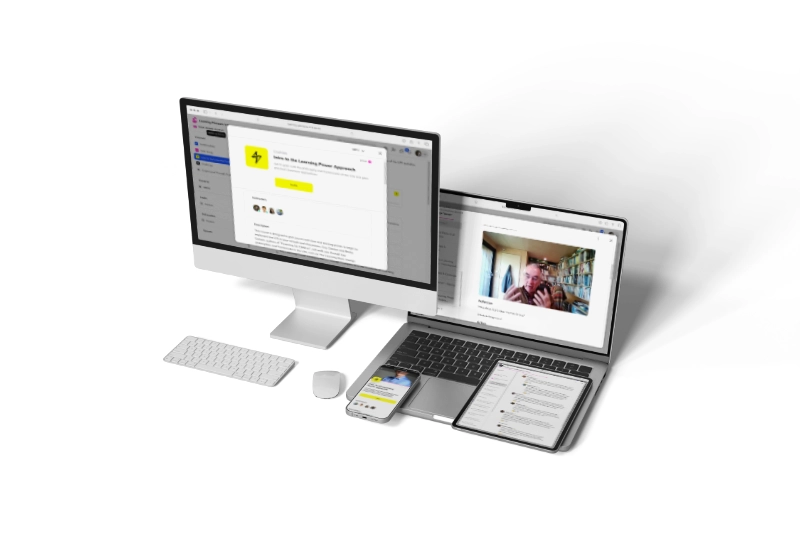
Meet your guides

Guy Claxton
A pioneering voice in educational theory and co-creator of the Learning Power Approach, Guy brings decades of thinking and writing on learning-to-learn, metacognition, and agency. In this course, he distils core ideas from across his work — including Powering Up Students, What’s the Point of School? and The Learning Power Approach — into clear provocations that help you think deeply about the purpose of your classroom.

Becky Carlzon
Becky is a facilitator, coach, and co-author of Powering Up Children. She brings lived experience of embedding LPA in classrooms, schools, and communities. Her role in this course is to guide, support, and connect theory with real, everyday practice. Becky’s reflective questions, classroom examples and warm tone create space for genuine professional growth.
What you’ll explore
Over 17 flexible units, you’ll explore the foundational elements of LPA — from the metaphor of the Learning River, to the practical use of “Learnish” in everyday classroom language. You'll unpack key design principles that can help you shape an environment where children feel safe to take risks, reflect on their thinking, and build ownership of their learning journey.
The content is layered — supporting both those new to LPA and educators looking to deepen an existing practice. Reflection is built in throughout, helping you move from idea to action.

Throughout these self-paced units, you’ll explore:
The purpose and design of the LPA framework
The metaphor of the Learning River Harnessing knowledge, expertise, and dispositions
Design principles that shape learner agency and environmental support
Practical uses of Learnish Language scaffolds that help students articulate their learning
Reflective tools for evaluating how your practice supports learning-to-learn
Connections between the LPA and Behaviour Empowerment, collective efficacy, and whole-school culture
What makes this course different
Rather than offering a toolkit or checklist, this course gives you a way of seeing.
It helps you pause and ask:
What kind of learning am I cultivating? and What subtle shifts could help my students take more ownership of that process?
You’ll walk away with a refreshed sense of purpose, a deeper understanding of how to build strong learners and the confidence to begin shifting your practice — one intentional move at a time.
What’s included
•
17+ impactful self-paced video units featuring Becky and Guy
•
Reflection prompts and video provocations
•
Access to downloadable planning tools and learning design templates
•
Interactive community support via comments, peer feedback, and shared learning
•
A bonus Q&A session with Guy Claxton, exploring challenges from the field
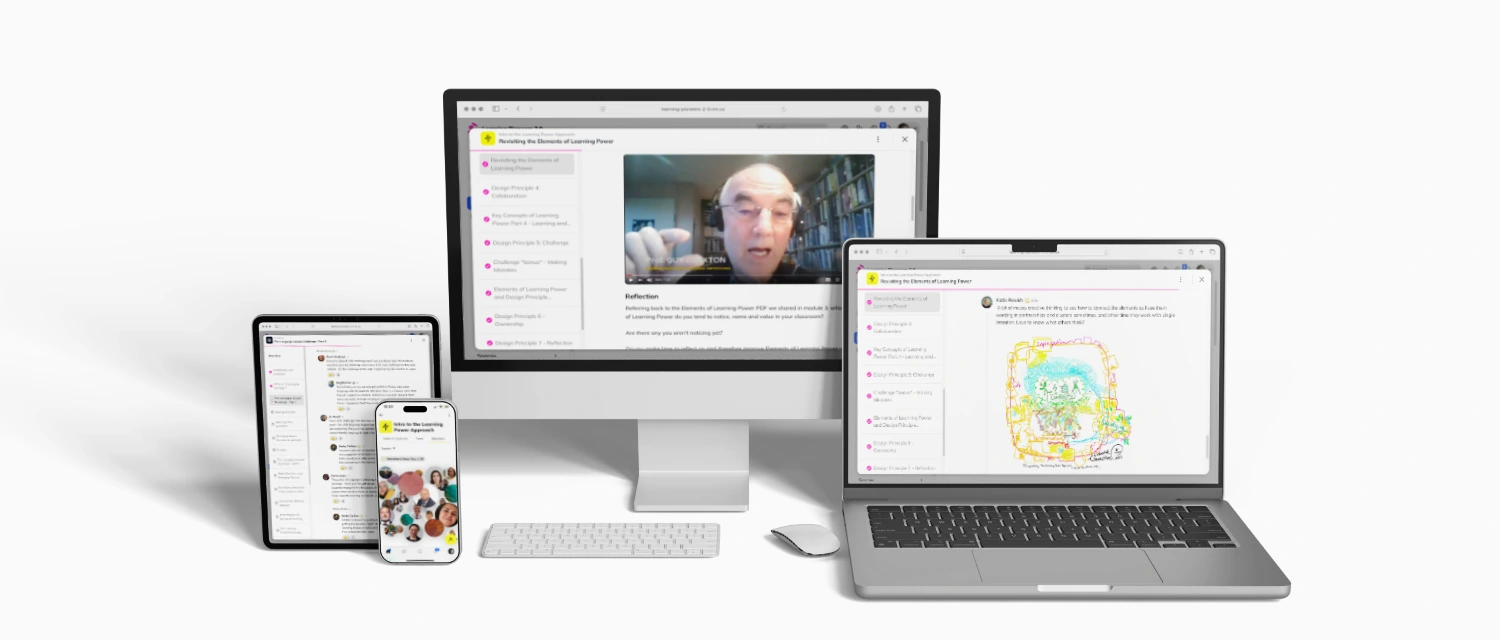
The course is hosted on the Learning Pioneers platform and is available immediately after purchase.
Course Outline
- Why the LPA?
- The Learning River
- Design Principles and the Elements of Learning Power
- Examples of Learning Powered Practice
- Making the classroom a safe place to learn
- Rock and Water Thinking.
- Setting up the Learning Environment with Learning Power in mind.
- "Learnish" - Developing a Language for Learning
- Collaboration
- Learning and Performance Mode
- Challenge
- Learning from Mistakes
- Elements of Learning Power and Design Principle connections
- Ownership
- Reflection and Summary
What you’ll walk away with
By the end of this course, you will:
Have a solid conceptual understanding of the LPA that can guide classroom design
Recognise patterns of learning power and teacher presence that affect outcomes
Confidently design small, effective changes with immediate classroom impact
Develop shared language for learning with your colleagues or students
"...quite simply the best professional learning I have received in my 30 years of experience."

Fiona Chapman
Head of Teaching and Learning, Leadership Mastermind member
Pricing & Enrollment
Final Note
This is not a passive video archive —
This is not a passive video archive — it’s an interactive learning space rooted in shared inquiry, reflection and community. Join this course to begin transforming your classroom culture through the Learning Power Approach.

Learning Pionners
Links Menu
Join the educational pioneering newsletter
Receive regular updates on cutting-edge pedagogy, professional development, and classroom practice.
© 2026 Learning Pioneers LTD. All rights reserved.