Challenge that Leads to Growth
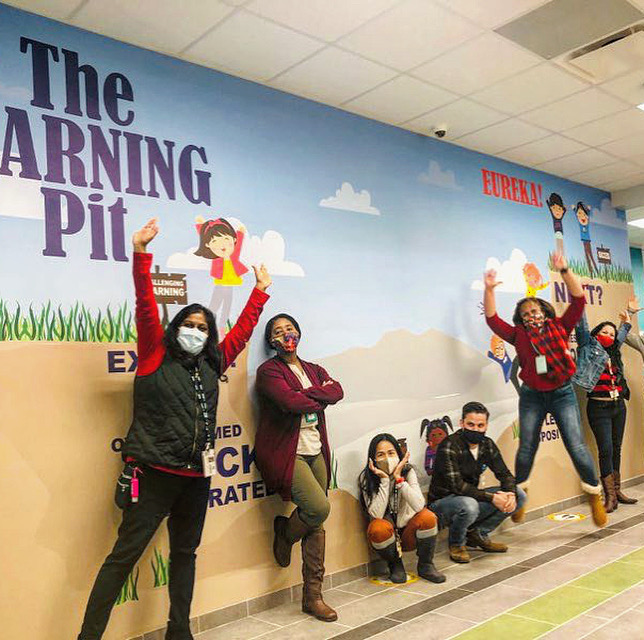
Embracing Challenge: Why Growth Needs a Push
The value of challenge in the classroom cannot be overstated. Challenges not onlystimulate critical thinking and innovation, but they also empower students to stepoutside their comfort zones and embrace the learning process. In this blog, we willexplore some of the benefits of incorporating challenges into lessons, highlightinghow they can transform the educational experience and equip students with the skillsthey need to thrive in an increasingly complex world.
1. Challenge Fuels Progression
Challenge is a fundamental pillar of student development. Without it, the learningprocess stagnates. When students are pushed just beyond their comfort zones, theyenter their ‘zone of proximal development’ (Vygotsky, 1978). This space is wherelearning unfolds—not through overwhelming demands, but by setting aspirationalgoals and tailoring challenges to encourage growth. Teachers can effectively discernstudent needs through thoughtful techniques and adjust their methods accordingly.
2. Retention Through Rigour
Studies indicate that when students engage with challenging material, they tend toremember it for longer (Bjork, 1994; Kidd et al, 2012; Wilson et al, 2019). The effortrequired to grasp difficult concepts builds stronger neural connections in the brain,enhancing memory retention. This mental struggle is vital, as it ensures that whatstudents learn becomes a lasting aspect of their intellectual fabric.
3. Personal Growth Through Resilience
Overcoming challenges nurtures resilience and self-efficacy within students. As theyencounter and surmount obstacles, they develop a growth mindset—a belief thatthey can improve and succeed through effort. This mindset is invaluable, not only inacademia but in every facet of life, empowering students to approach difficulties withconfidence.
4. Cultivating Higher-Order Thinking Skills
Challenging students encourages the development of higher-order thinking skills(HOTS), including critical analysis, problem-solving and metacognition. Teachers canstimulate this analytical thinking by asking open-ended questions, presenting real-world scenarios, and promoting innovative solutions. Such skills are crucial forachievement—not merely in schooling but also in future careers and personalendeavours.
5. The Intrinsic Motivation to Learn
When students tackle challenging tasks, they often find themselves more engaged inthe learning process. The sense of achievement that accompanies overcomingobstacles fosters intrinsic motivation. Teachers can nurture this mindset by offering choices,
maintaining high expectations, and creating a supportive classroomenvironment where challenges are recognised as opportunities.
Strategies for Challenging Students:
To effectively inspire students through challenge, educators can incorporate thefollowing practical strategies:
- Create Cognitive Dissonance: Presenting information that contradictsstudents' pre-existing beliefs through methods like "wobblers" encouragesthem to reconsider their understanding and promotes deeper learning.
- Utilise the Learning Pit: This model by James Nottingham (seeLearningPit.org) illustrates that learning is akin to a journey filled withstruggles. By framing challenges as valuable growth opportunities, teacherscan guide students through complex tasks while providing the necessarysupport to emerge with newfound insights.
- Encourage Dialogue: Facilitating discussions among students allows them toexchange ideas and engage in collaborative problem-solving. Teachersshould promote exploratory conversations, questioning, and sharedunderstanding to deepen their knowledge.
- Focus on Learning-Focused Feedback: Feedback should aim to inform anddirect students toward their learning objectives. Rather than simply urgingthem to "try harder", objective constructive feedback illuminates pathways forimprovement.
- Establish High Expectations: Educators should set ambitious yetachievable goals. When students recognise that their teachers believe in theircapabilities, they are more likely to meet and surpass those expectations.
- Create a Supportive Environment: A classroom atmosphere where studentsfeel safe and valued encourages them to take risks and embrace challenges.Establishing strong relationships, providing clear guidelines, and employing asense of humour can enhance the overall learning environment.
In conclusion, challenging students is not about complicating their learning journey;it’s about enriching it. When students engage in suitably challenging tasks, theycultivate essential skills and attributes that prepare them for success in variousaspects of life.

If you're curious to dig deeper into cultivating challenge in your school and classroom, join us for this FREE event with world-leader in challenging learning, James Nottingham.
Limited spaces; grab your spot here:
www.learningpioneers.co/challengefireside
Author

James Nottingham
James Nottingham is a British educator, founder of Challenging Learning, and creator of The Learning Pit® model, which encourages students to embrace challenges and develop a growth mindset. With extensive experience in teaching and educational leadership, Nottingham has authored influential books like Challenging Learning and Encouraging Learning. He is recognised as a Fellow of the Royal Society of Arts and has been named to the UK's Future 500 for his contributions to education. His work continues to inspire educators worldwide, aiming to transform teaching practices and student learning.
Recent Blog Posts
Can exhibition amplify Learning Power?
Discover how exhibitions can significantly boost learning power for students and professionals alike. Explore the benefits and impact.

Continue Reading...
Learning that goes beyond
Explore how Liger Leadership Academy in Cambodia uses Project-Based Learning to foster meaningful, purposeful, and joyful learning, developing ambitious students who make a difference.

Continue Reading...
What’s in your Palette of Learning?
Explore how intentional pedagogical approaches, inspired by James Nottingham and innovative educators, can create richer, more relevant learning for students. Discover practical examples and provoke your own teaching strategies.

Continue Reading...

Learning Pionners
Links Menu
Join the educational pioneering newsletter
Receive regular updates on cutting-edge pedagogy, professional development, and classroom practice.
© 2026 Learning Pioneers LTD. All rights reserved.